

Featured Articles
Choosing the Right Press: Mechanical vs. Servo Press for Modern Metal Stamping
The stamping industry has never been more prepared for the world’s manufacturing needs, thanks to technological advances in recent decades. Eccentric gears, link motion, and now servo motors have transformed the modern stamper's output, quality, and – ultimately – their bottom line. The mechanical press is still the main workhorse in the industry, but the servo is quickly evolving from a niche to a necessity. Many manufacturers, who once used mechanical stamping presses, are now replacing their lines exclusively with mechanical servo presses.
That said, both the servo and the traditional mechanical press have distinct advantages. It is up to the buyer to understand how these advantages compliment their production when purchasing the right press. This decision requires foresight, so SEYI aims to inform those who will make this decision in the future.
What Is A Mechanical Press?
 A mechanical press is a stamping press that creates power by rotating a flywheel at high speeds to form metal into usable parts. Relying on kinetic energy from the flywheel, the mechanical press has little control over the movement of its slide. Thus, the slide mostly operates at fixed speeds and motions. Despite having less flexibility, the technology has stood the test of time as mechanical presses came to be the stamping industry's most popular press for nearly a century.
Below is an overview of a mechanical press’ qualities:
- Fixed stroke lengths
- Fixed or variable slide SPM
- Full tonnage at rating point
- Highest speeds
- Easy operations
- Low cost to purchase
Production Considerations for The Mechanical Press
Parts
 Mechanical presses excel in stamping simple parts with low energy requirements, i.e., blanking and bending. Manufacturers forming relatively simple parts with similar manufacturing should start their search looking for a mechanical press.
Materials
Output
Prices
When Is A Mechanical Press Better?
Running similar parts at high speeds
Need a low-cost entry
What Is A Servo Press?
 The mechanical servo press is a metal stamping press that uses a servo motor to create energy to form metals into parts. The defining feature of a servo electric press is the ability to control the slide's movement at any position during the stroke, giving it unmatched flexibility in terms of output and accuracy.
Though the mechanical press is still widely used, the industry standard is changing. As more and more manufacturers acquire a mechanical servo press, they realize their production needs the flexibility to form lightweight materials into parts with complex geometry.
As a result, SEYI believes the servo stamping press will dominate the sector within the next decade.
Below is an overview of a servo press' qualities:
- Full variability of stroke length, slide speed, and slide movement - all within 1/1000th of an inch (0.0025 cm)
- Low-speed forming
- Full tonnage at B.D.C.
- Full torque throughout the stroke
- Specialized training required
- High speeds
- Highest accuracy
- Expensive
Production considerations for the servo press
Parts
Every part is possible on a servo mechanical press. Whether you need a simple hinge or a motor housing, the servo creates the component and optimizes its production. The flexibility of the servo press benefits those stamping several different parts with differing applications. If you create challenging parts or a large variety of parts, the servo press is your best option.
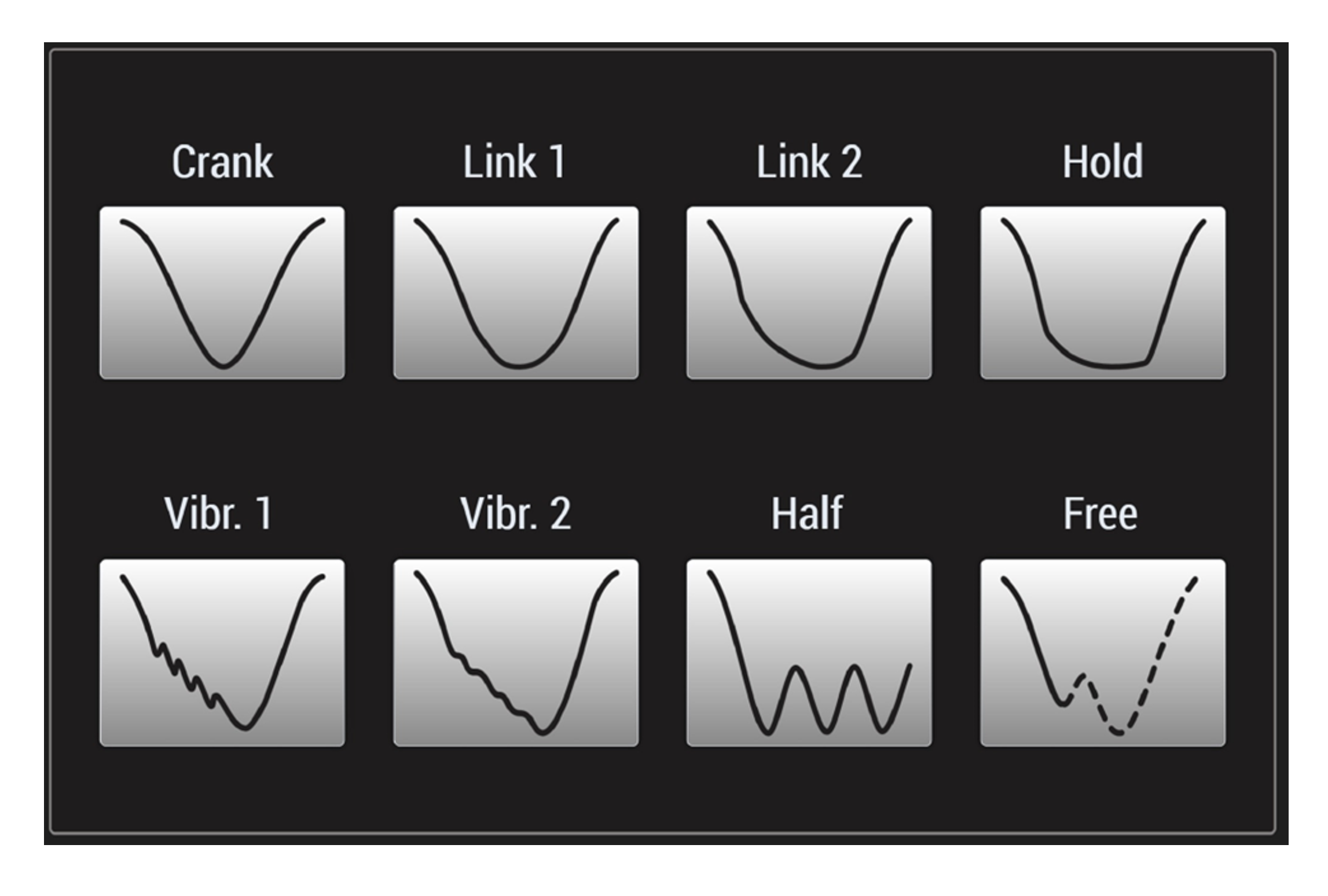
Material
The electric servo press has very few limitations regarding varied material thickness. By slowing the speed of the slide, the press can blank and punch with little worry of reverse tonnage. With the rise of electric vehicles and CO2-reducing initiatives, manufacturers are using AHSS and aluminum more and more to improve safety and power consumption. Only a servo can meet these customer’s requirements in terms of high productivity and high formability. This ability to do shows the servo’s value in the market trend of lightweight design in today’s automobile manufacturing.
Parts that require AHSS, aluminum, and other challenging materials should be performed on a servo electric press. The reverse tonnage created and used on a mechanical press from such materials does more harm than good.
Output
Cost
There's no way around it. The initial cost of a servo stamping press is staggering - often two times that of a conventional press. Despite the higher ticket price, the servo makes up its extra cost in savings and output. With low power consumption, the servo press uses ~40% less energy than a traditional press and ~70% less than a hydraulic press. Additionally, most manufacturers see a significant increase in production by optimizing the stroke for each part. This extra production goes straight towards the company’s bottom line.
If you factor in the energy savings, higher output, flexibility, and maintenance, the total ROI is higher for many stampers. Over a short period of time, many either make up the costs of a mechanical servo press in money saved or money earned.
When Is A Servo Press Better?
Complicated parts
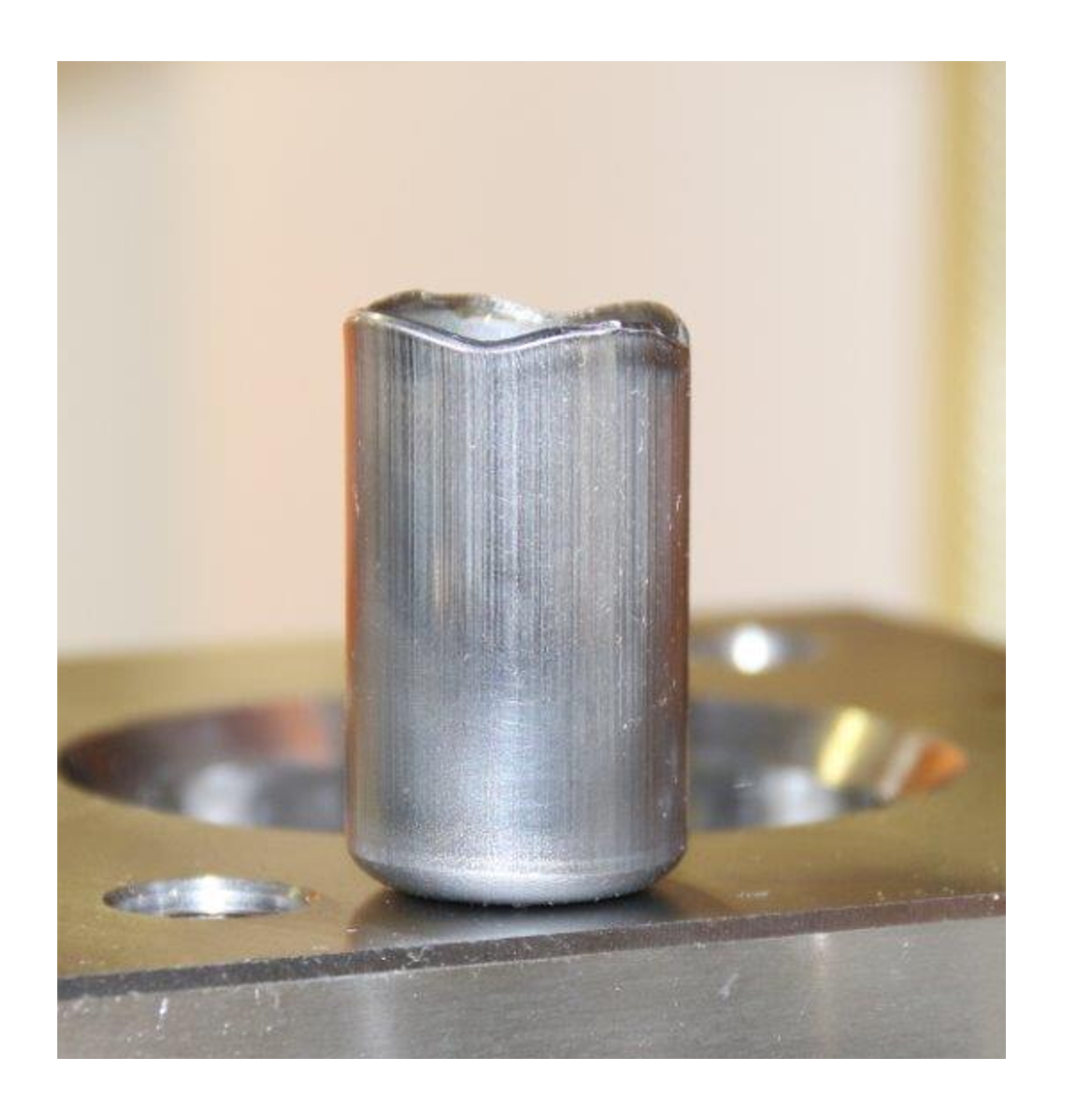 With precise control over the stroke, the servo press can create complicated parts on par with a hydraulic press. Products that require deep draw work or vibration are done best on a servo. And not only are these parts possible. They are also optimized on a servo press in a single stroke. Complicated products on a mechanical press must be formed over multiple strokes, often one inch at a time. For example, parts needing a 10-inch dip require at least ten strokes.
The servo press should be your first choice if you anticipate creating complicated parts.
Low Forming Speed
Creating parts for OEM
For example, if a servo press' throughput increases production by 15%, the stamper should reflect this in lower pricing per part. A stamper must also document the scrap metal produced. This scrap has a monetary amount that is used as a rebate for the OEM to lower costs.
Whether it's quality or pricing, the servo press gives contract stampers a competitive advantage when working for OEMs.
Multiple applications
Reduction of reverse tonnage
Long Term Calculation
Overview
Generally speaking, the mechanical press offers high production speeds for simple parts. The servo press wears many hats - high speeds, part complexity, and flexibility. Flexibility should be your deciding factor. The mechanical press will work if you know that your operations will not need variability. However, if you know you will be creating many different parts, the servo is likely your best option. Within the next ten years, SEYI believes the servo will replace the mechanical press as the most popular option. So, when in doubt, choose a servo press!
About SEYI
SEYI is a leading servo press manufacturer and mechanical press manufacturer with 60 years of experience. A complete sales, service, and distribution network allows SEYI to provide a comprehensive range of products and immediate technical support to its customers around the world. SEYI’s products have been delivered to more than 40 countries. Our customers are involved in many industries, including automotive, home appliance, consumer electronics, agricultural equipment, medical equipment, and building materials. With cutting-edge innovation and advanced technical know-how, SEYI creates compelling niche value for all its customers.
View the product introduction of SEYI's mechanical and servo presses.